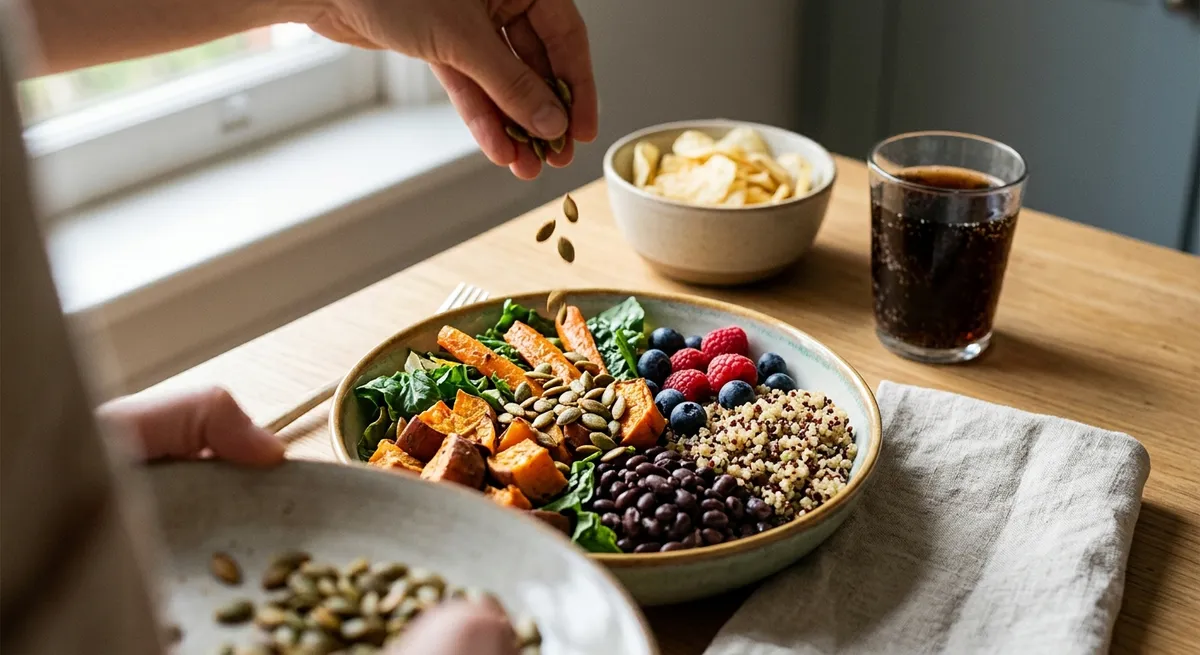
How Cutting Ultra-Processed Foods Can Boost Your Mood
Discover how reducing ultra-processed foods can alleviate depression symptoms based on new research linking diet to mental health.

Discover how reducing ultra-processed foods can alleviate depression symptoms based on new research linking diet to mental health.

Discover Kala Pilates, Newark's new boutique studio offering Pilates, yoga, and Barre in a heated environment. Here's what to know before you go.

Explore how all-female hunting groups blend mindfulness and empowerment, reshaping the narrative of women in outdoor recreation.

University of South Florida researchers return from six-week Antarctic expedition studying sea squirts that harbor bacteria capable of killing melanoma cells.

Research suggests diets high in added sugar may strain the hippocampus, disrupt insulin signaling, and fuel inflammation, potentially weakening memory over time. Cutting sugary drinks and ultra-processed snacks can support better brain health.

Amlodipine, a common blood pressure drug, may weaken the hospital superbug Acinetobacter baumannii, offering researchers a promising drug-repurposing lead against antibiotic-resistant infections while remaining far from approved infection treatment.

Eccentric exercise focuses on the controlled lowering phase of movement, helping build strength, muscle, balance, and mobility with fewer repetitions when practiced safely and consistently.
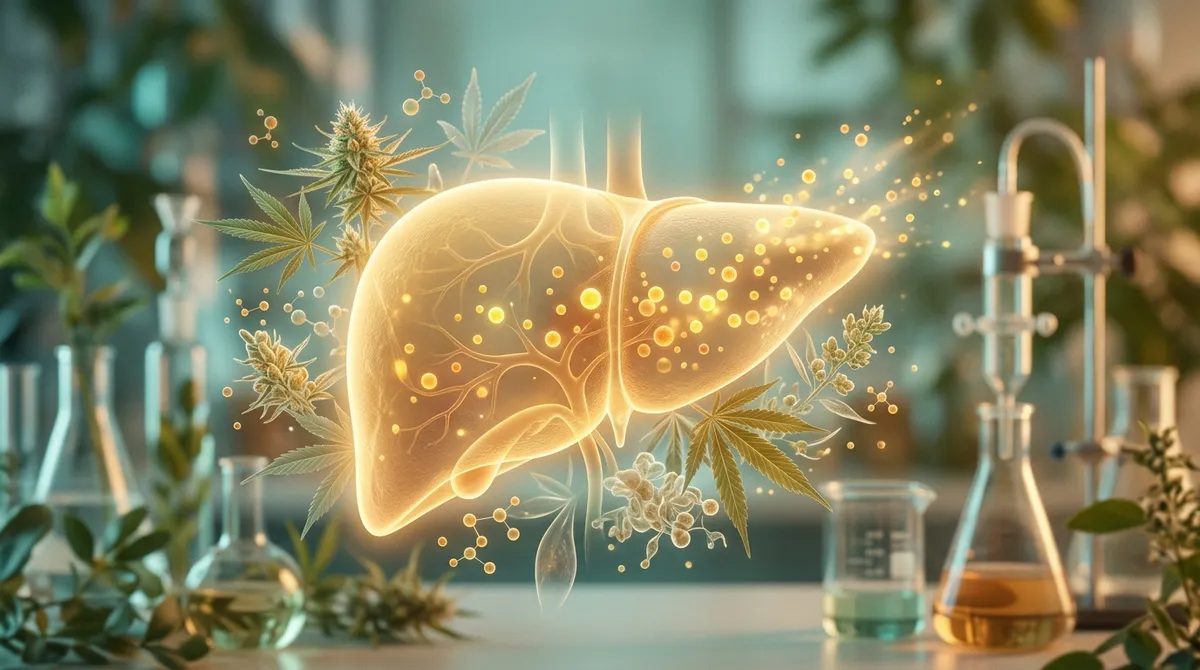
Research suggests that cannabinoids in cannabis may help reverse fatty liver disease by reducing fat accumulation and inflammation, offering potential for new treatments. Further studies are needed to confirm these findings and establish safe, effective therapies.

A novel procedure for sleep apnea treatment offers hope with a 93% success rate, providing a less invasive alternative to traditional methods. This advancement could improve patient comfort and outcomes, potentially transforming sleep apnea management for millions worldwide.

Understanding the root causes of cancer is essential for prevention. Tobacco use and alcohol consumption are major contributors to preventable cancer cases, and reducing these habits can significantly decrease cancer risk and improve overall well-being.

Surgeons sustained 33-year-old Melissa Benoit without lungs for 48 hours using ECMO and mechanical ventilators, keeping her alive until a successful double lung transplant could be performed. This unprecedented achievement highlights ECMO's potential as a life-saving bridge to transplantation in critical respiratory cases.

Scientists have rejuvenated aging blood stem cells in mice, offering hope for healthier aging and combating age-related diseases in humans. This breakthrough aims to restore youthful potential in stem cells, enhancing immune function and quality of life for the elderly.