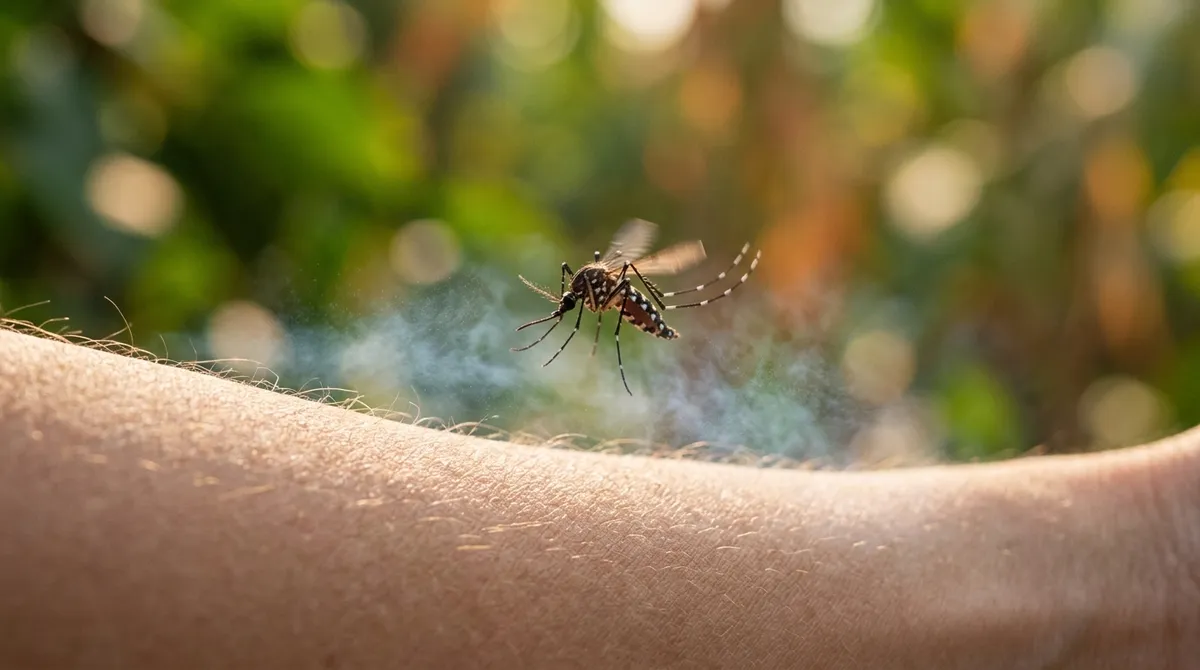
Mosquitoes Can Learn to Associate DEET with Food, Study Finds
New research reveals Aedes aegypti mosquitoes can develop attraction to DEET-treated skin when repellent levels fade, highlighting the importance of regular...

New research reveals Aedes aegypti mosquitoes can develop attraction to DEET-treated skin when repellent levels fade, highlighting the importance of regular...
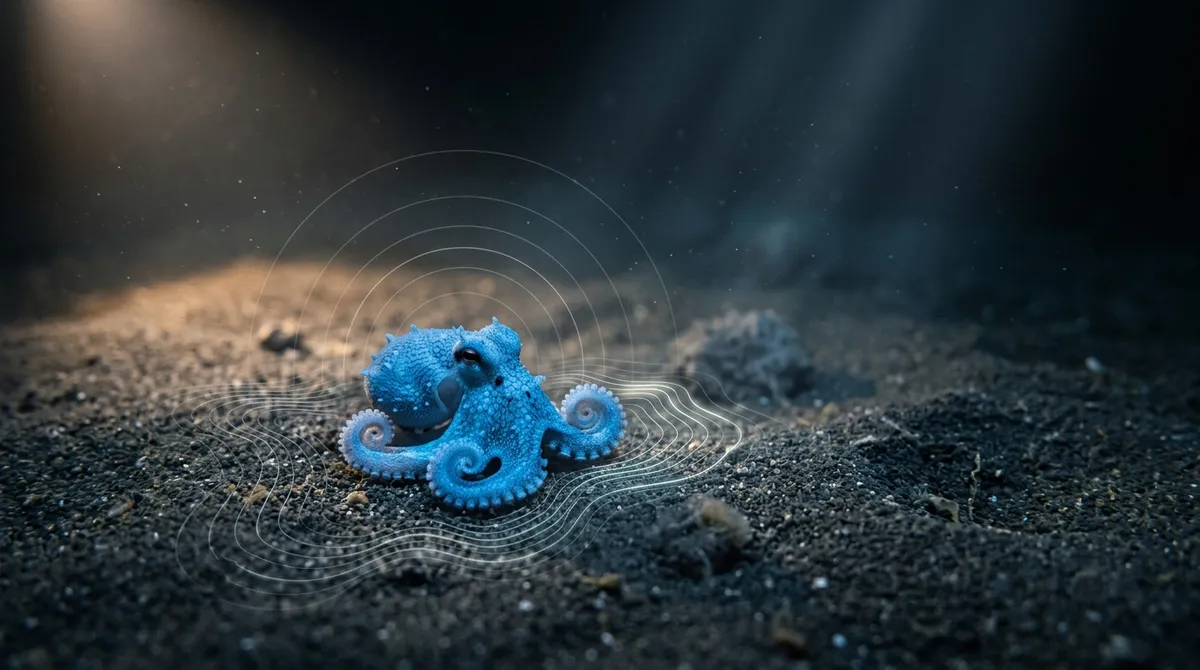
Scientists use non-destructive CT scanning to identify new octopus species found 5,800 feet deep near Darwin Island, revealing how technology advances marine...

Fossil teeth and arm bones suggest human right-handedness began deep in evolution, linking ancient tool use, social learning, and brain specialization long before modern life.
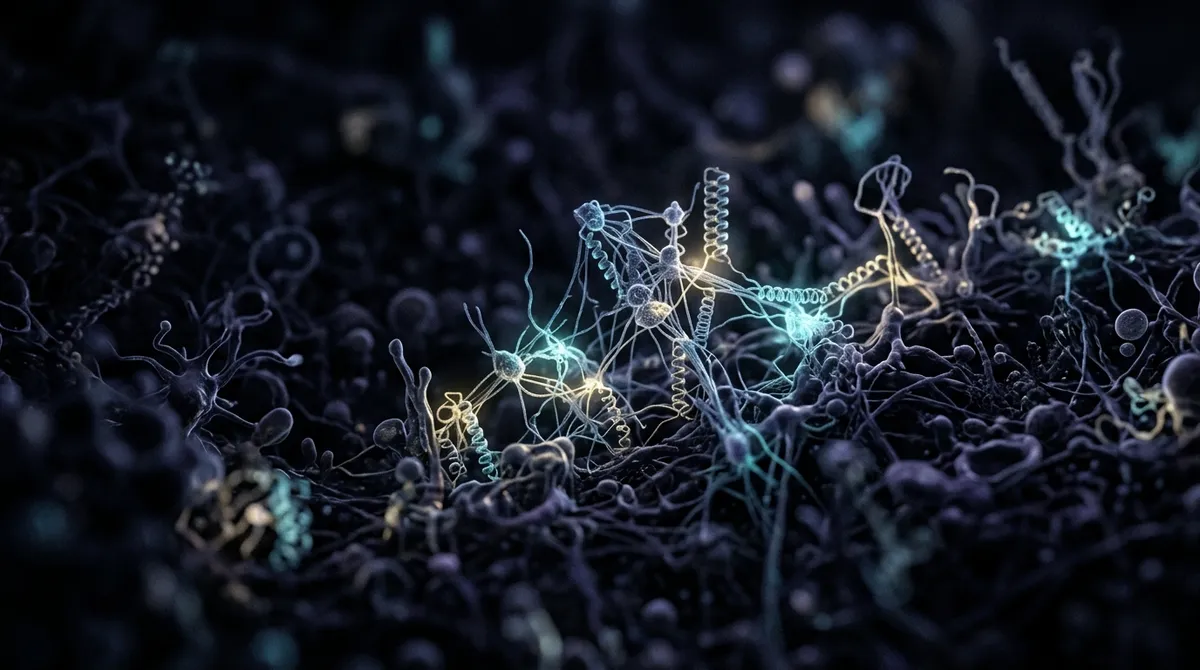
Scientists identified more than 1,700 previously overlooked dark proteins in human cells, expanding the known proteome and opening new possibilities for disease research, cancer biomarkers, immunotherapy, and drug discovery.
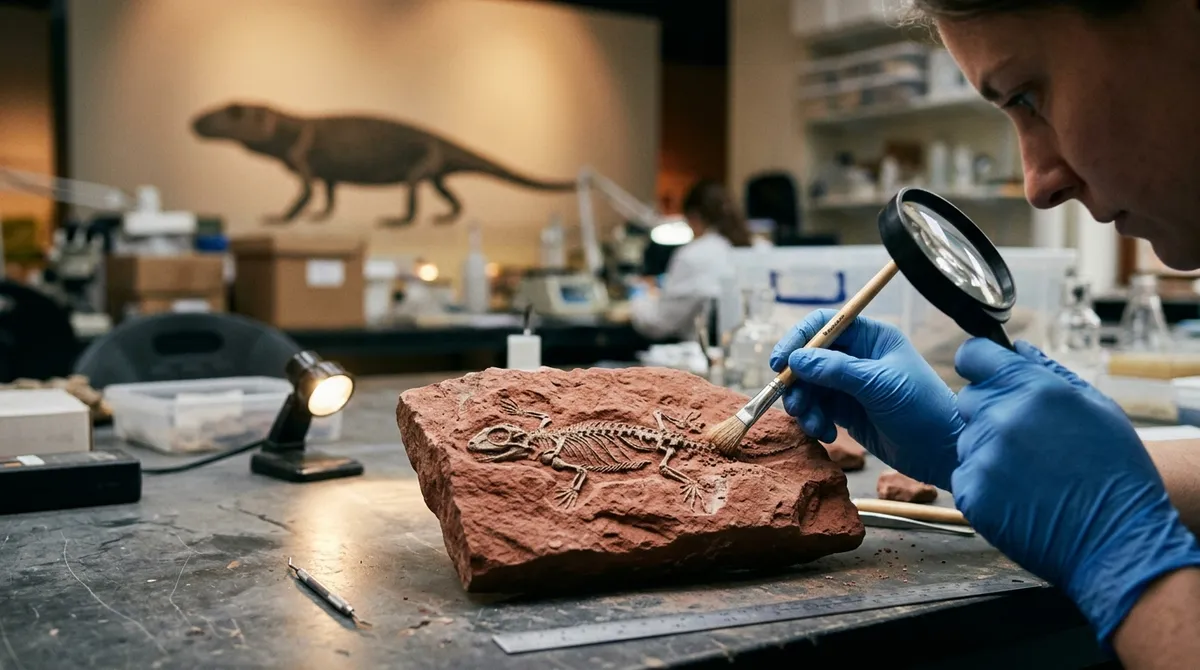
A 290-million-year-old fossilized cloaca has been discovered, providing insights into ancient reptilian anatomy and evolution. This rare find from the species Captorhinus helps scientists understand physiological functions and evolutionary lineage of early reptiles, shedding light on modern descendants.
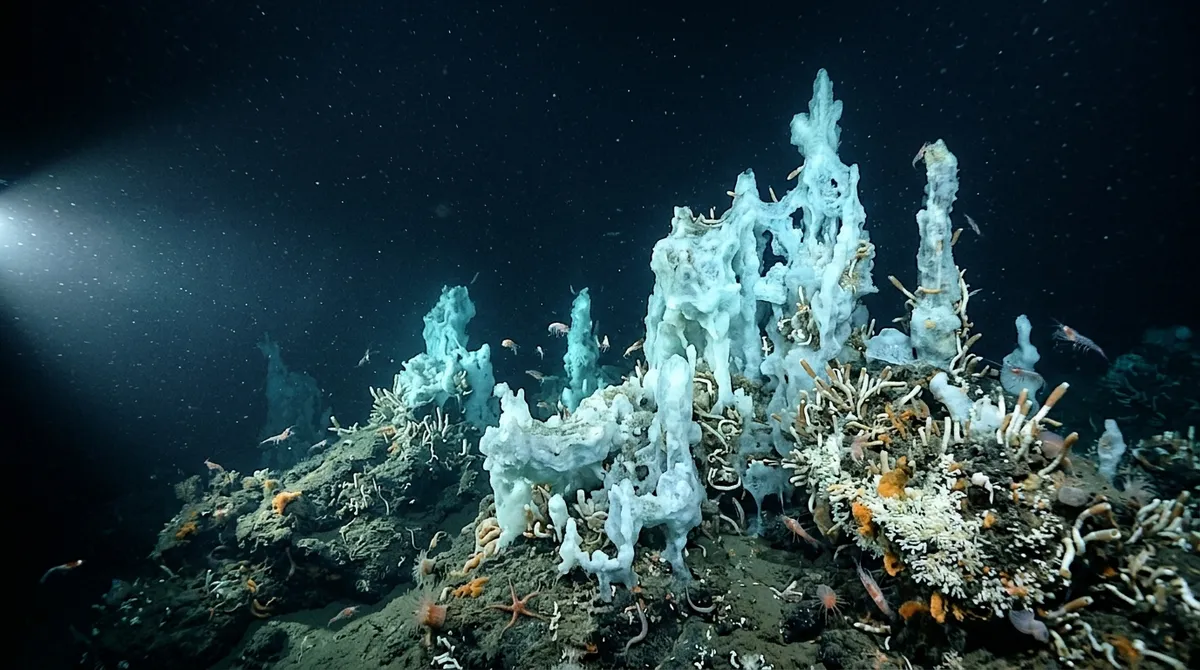
Scientists discovered a vast gas hydrate deposit off Greenland's coast, the world's deepest known, supporting a thriving ecosystem. This find offers insights into biodiversity and geological processes, emphasizing gas hydrates' importance as an energy source and climate factor.
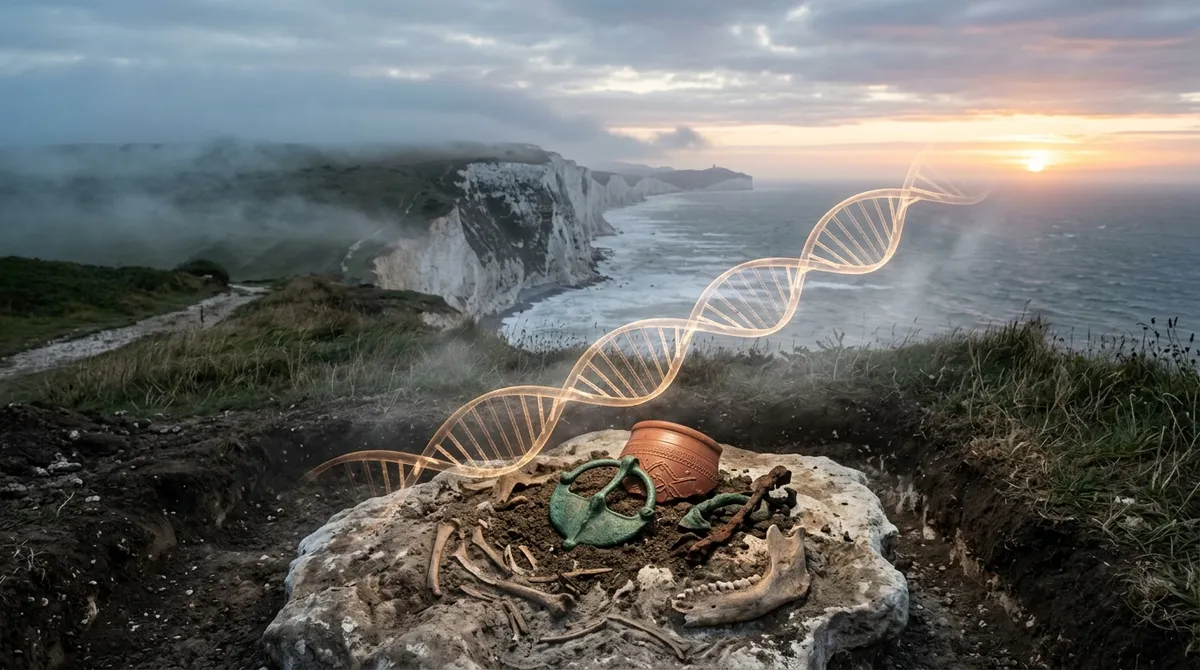
Recent advancements in ancient DNA analysis have revealed that Beachy Head Woman likely originated from the eastern Mediterranean, challenging previous assumptions about Britain's early inhabitants and highlighting diverse migration patterns and cultural exchanges during the Roman era.

Physicists propose a revolutionary laser system using neutrinos instead of photons, potentially transforming energy research and technology. This innovation could unlock new applications in fields like medical imaging and communications, offering insights into fundamental physics and the universe's mysteries.

Archaeologists have found evidence that life continued in Pompeii after the 79 AD eruption of Mount Vesuvius, revealing that the city was not immediately abandoned. These findings challenge previous assumptions and highlight the resilience of its inhabitants.

Scientists have discovered a new phase of matter called 'quantum spin liquid' within the magnetic material herbertsmithite, where magnetic moments behave chaotically rather than aligning in patterns, with potential implications for quantum computing and fundamental physics.