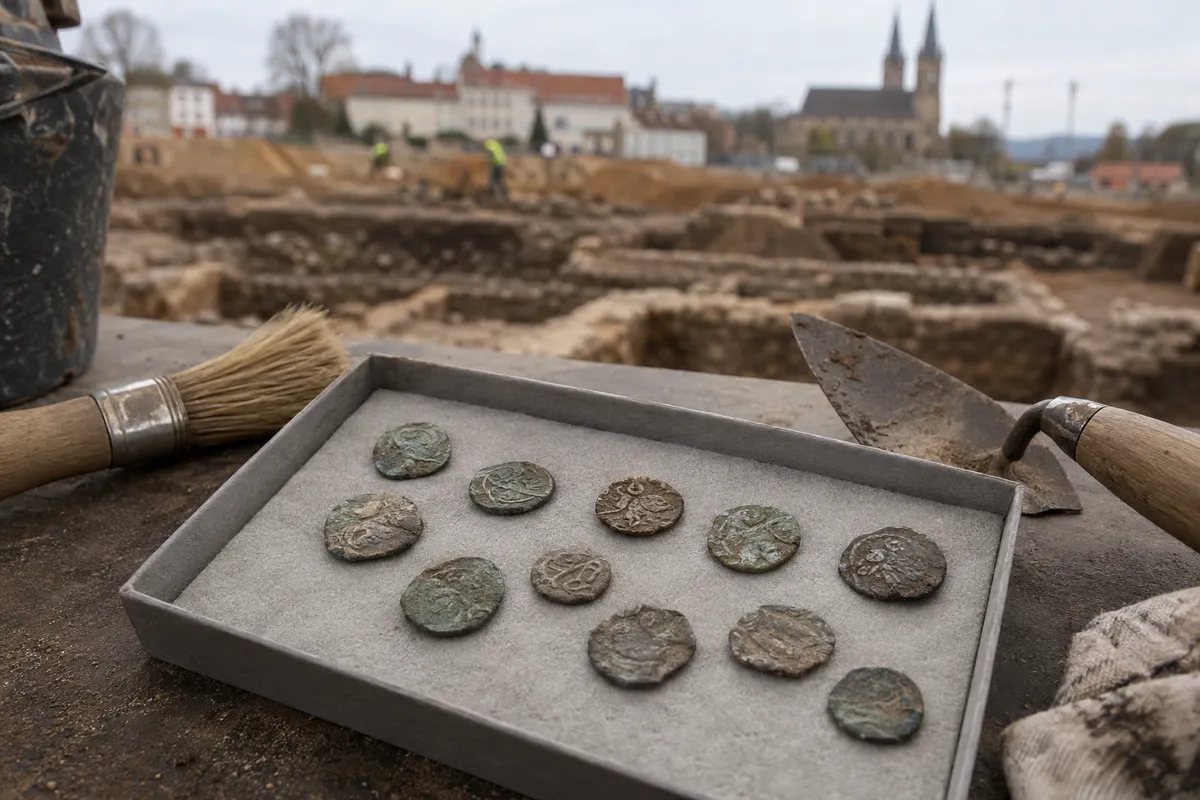
What 11 Celtic Coins Reveal About Europe Before Rome
Archaeologists in central Germany found 11 Celtic coins from the first century B.C. Here's what small hoards like this can teach us about ancient trade and...

Archaeologists in central Germany found 11 Celtic coins from the first century B.C. Here's what small hoards like this can teach us about ancient trade and...
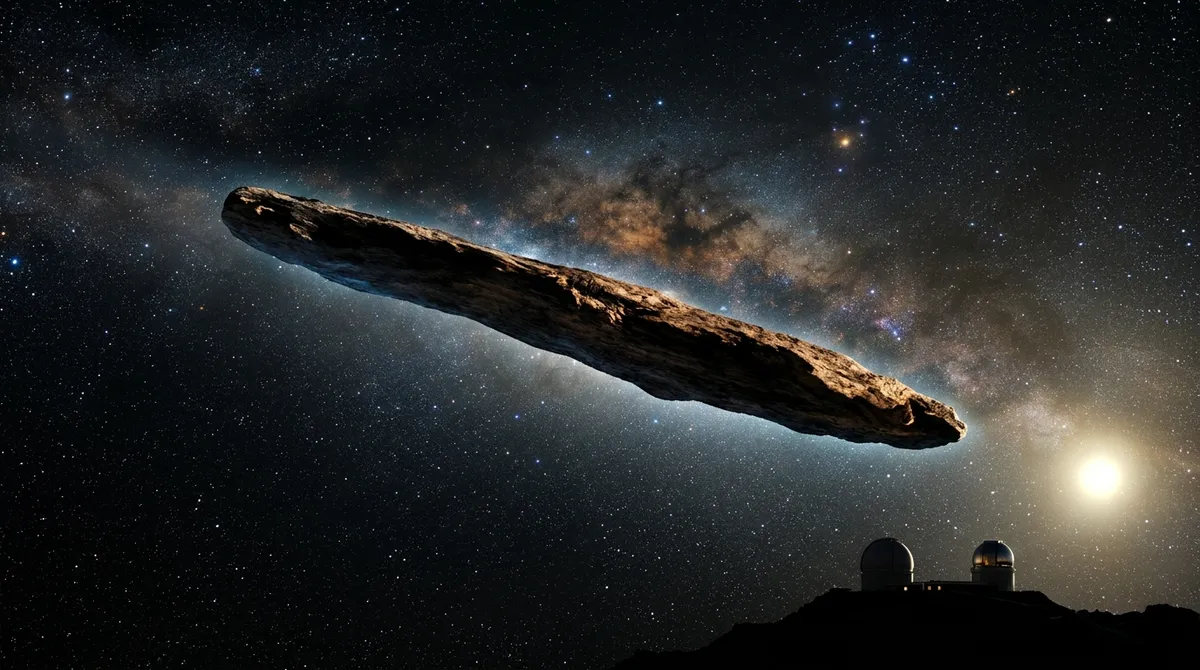
In recent observations, the interstellar object 3I/ATLAS has intrigued scientists with its unique characteristics and potential insights into other star systems. Its study is crucial for understanding celestial diversity and the evolution of planetary systems.
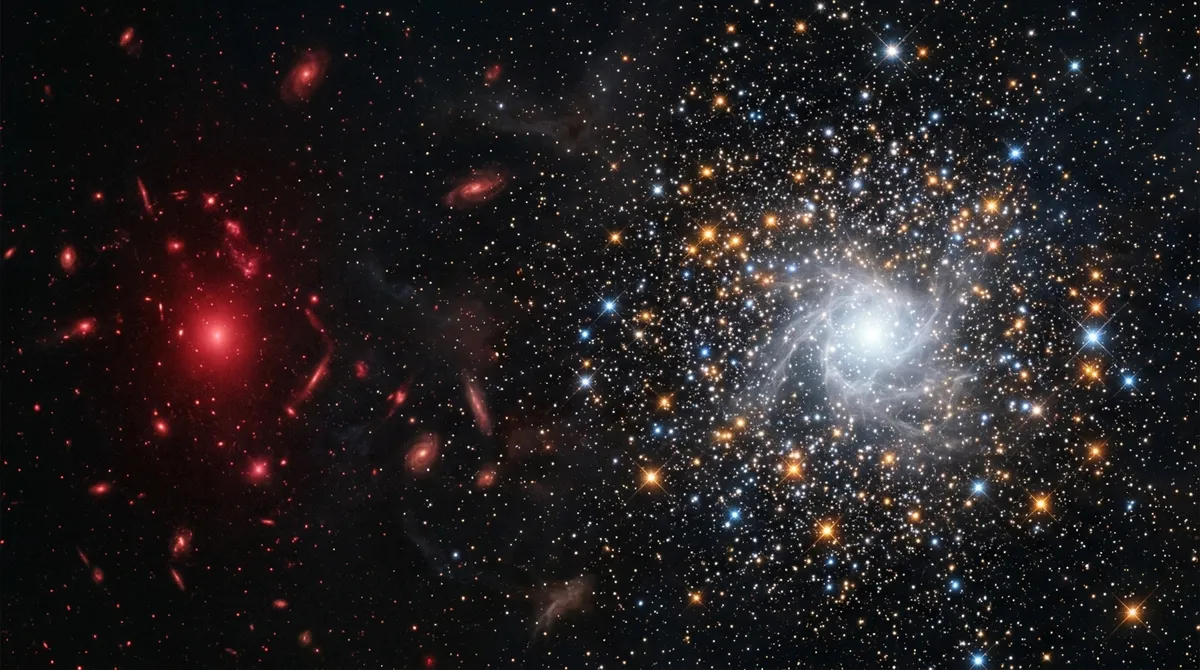
Discover how JWST’s Little Red Dots might reveal the origins of ancient globular clusters and the role of monster stars in the early universe.
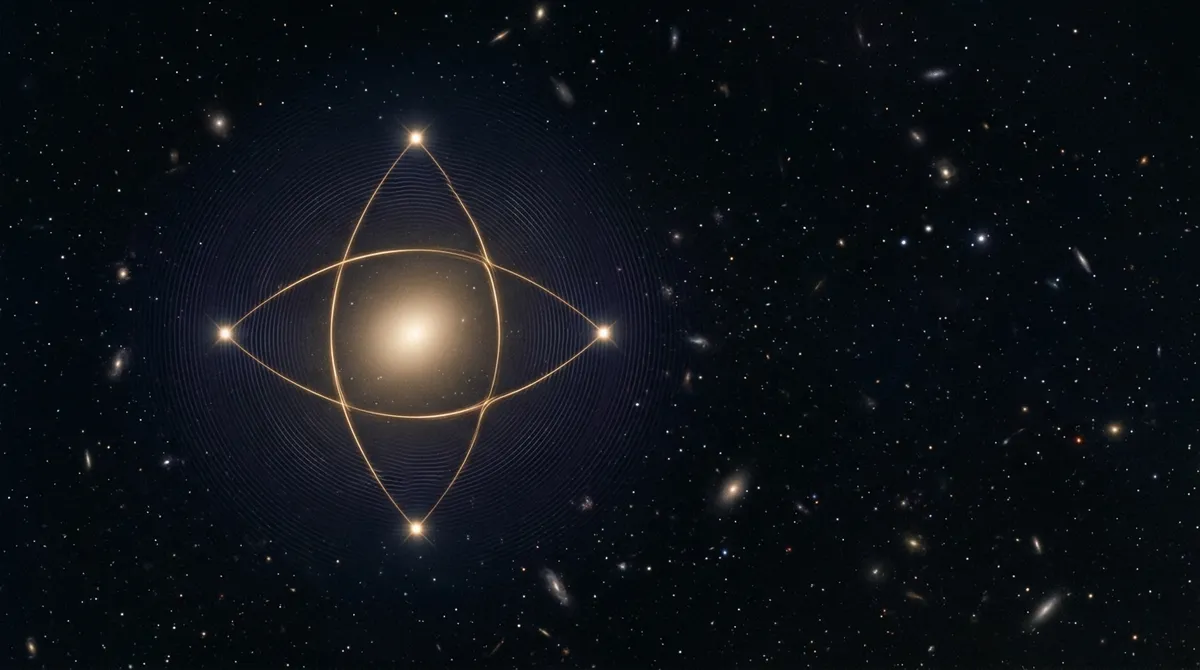
Explore how new wave simulations improve our understanding of dark matter through gravitational lensing, revealing its mysterious nature.
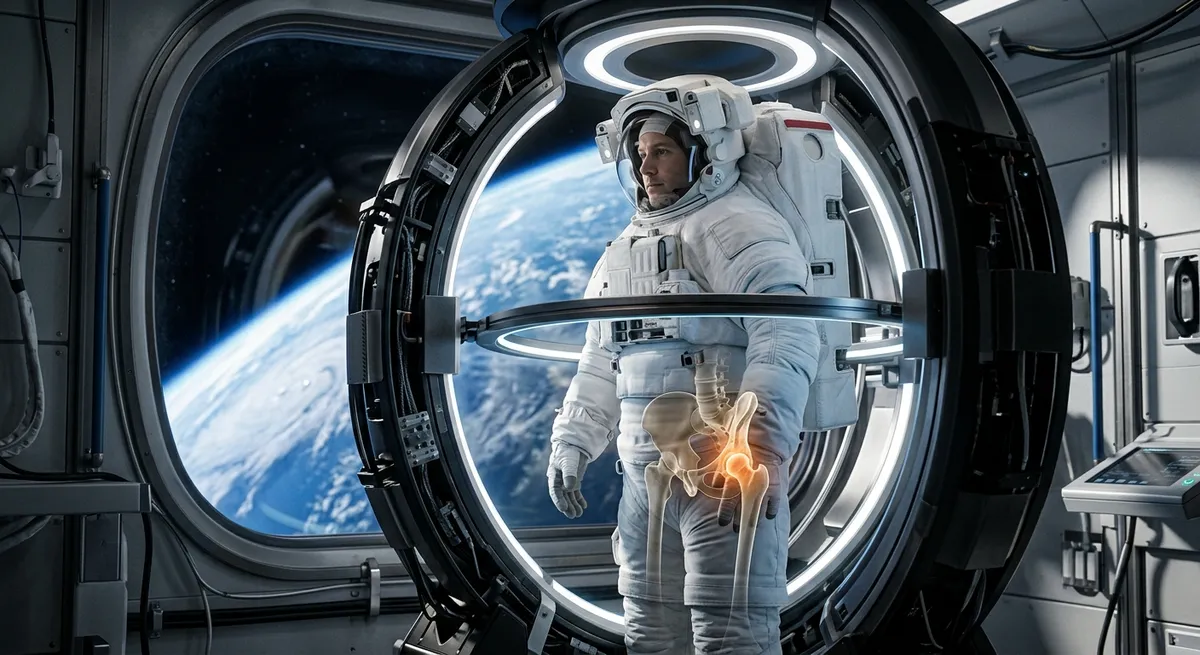
New findings reveal increased hip fracture risks for astronauts on missions over 90 days, posing challenges for future long-term space exploration.

Discover how a new cobalt catalyst offers a greener alternative for chemical manufacturing by using water and electricity for hydrogenation.

Titan, Saturn's largest moon, has lakes of liquid hydrocarbons like methane and ethane, and recent research suggests these frigid lakes may contain peculiar co-crystals that challenge conventional chemistry. Future missions like NASA's Dragonfly aim to explore Titan's surface and potentially confirm these unusual formations.
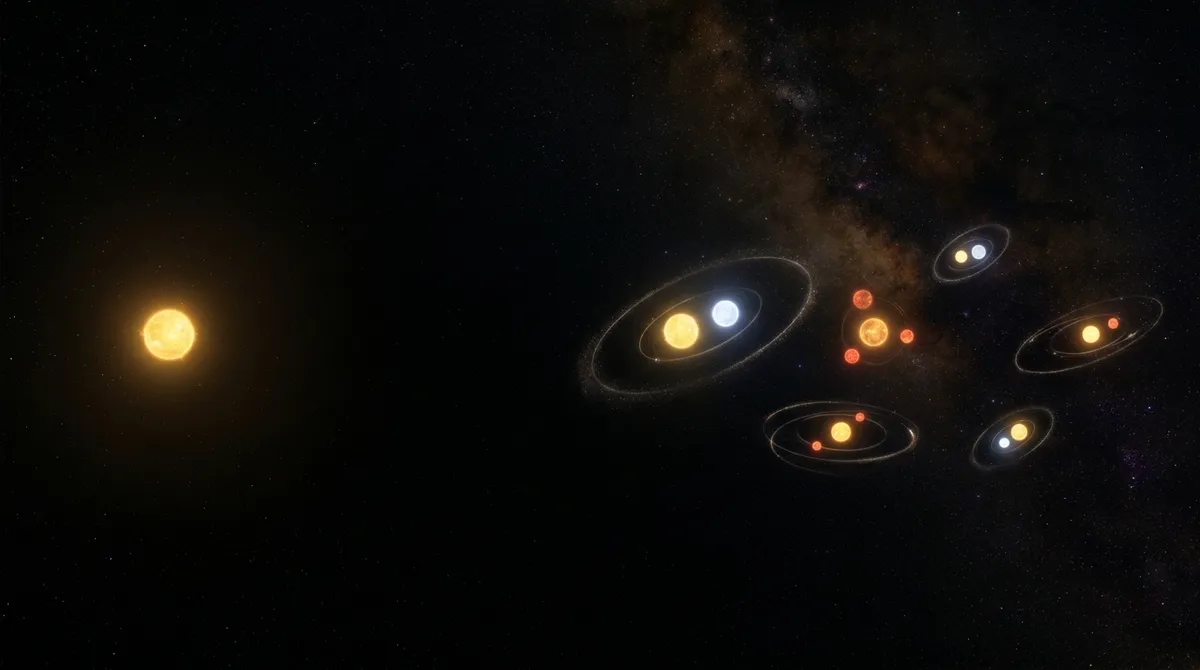
A comprehensive survey of nearby star systems shows higher-mass stars typically have companions, while our solitary sun represents the exception rather than...
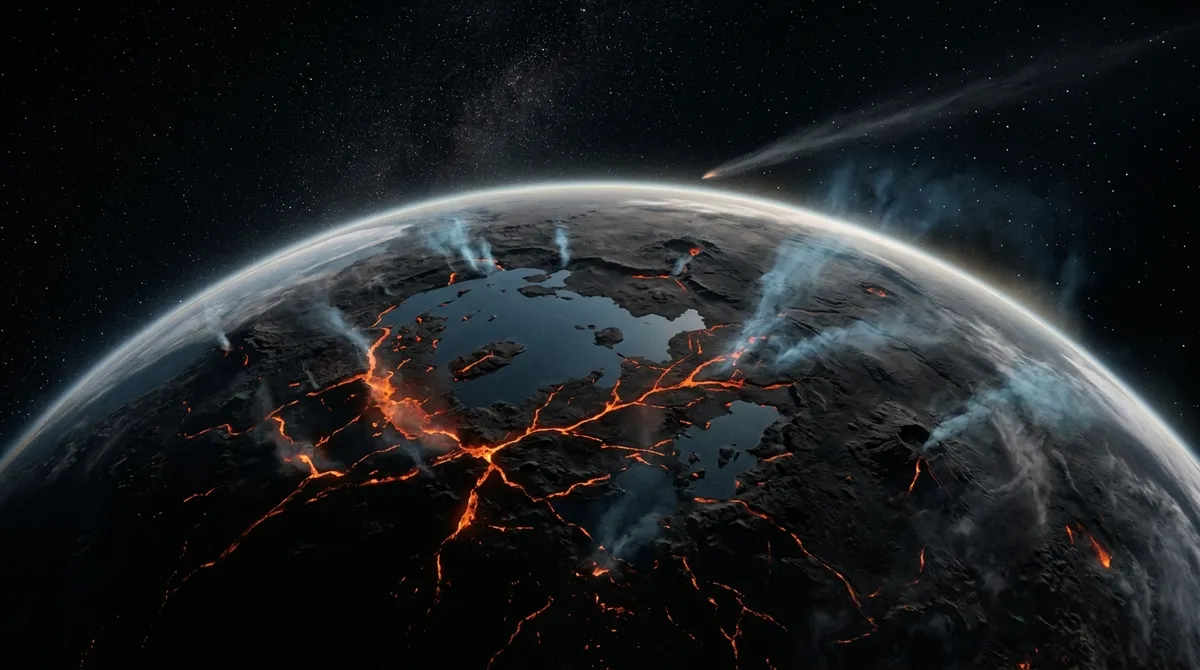
New research reveals how asteroid impacts during Earth's first billion years fractured the crust, creating conditions that may have enabled life to emerge.

Explore how KIT's Energy Materials Acceleration Platform automates semiconductor research, boosting discovery speed and precision.
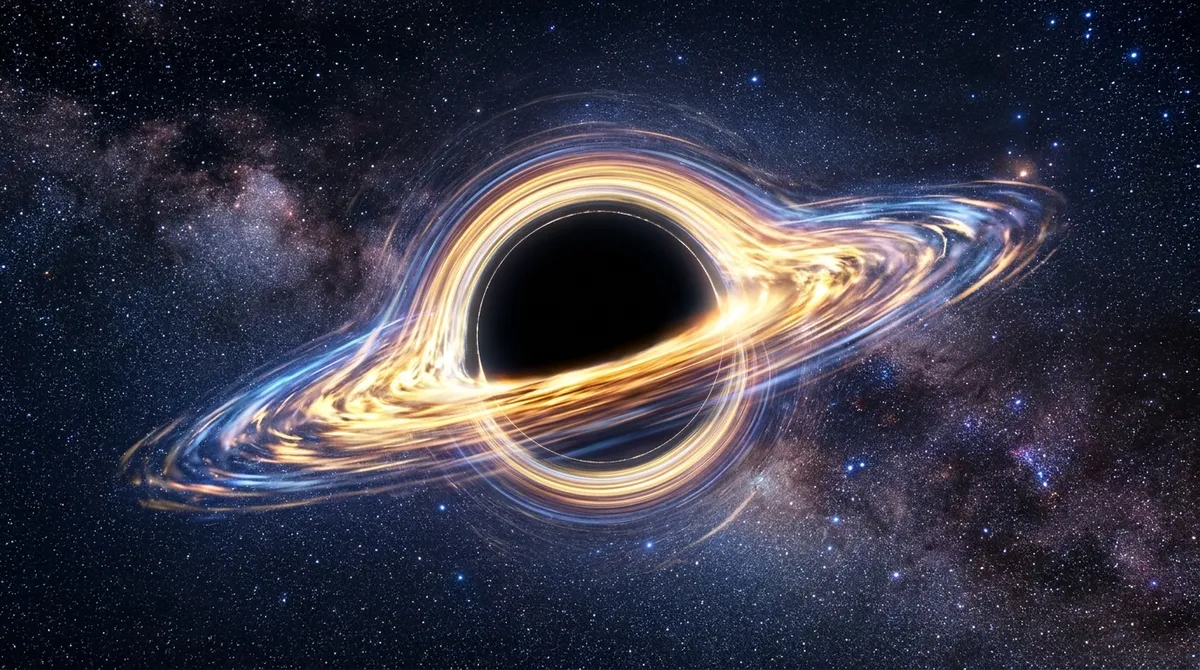
Deep in the Milky Way, Sagittarius A*, a supermassive black hole, spins near the theoretical speed limit. This discovery aids scientists in exploring black holes' influence on the universe, testing general relativity in extreme conditions, and understanding cosmic phenomena.
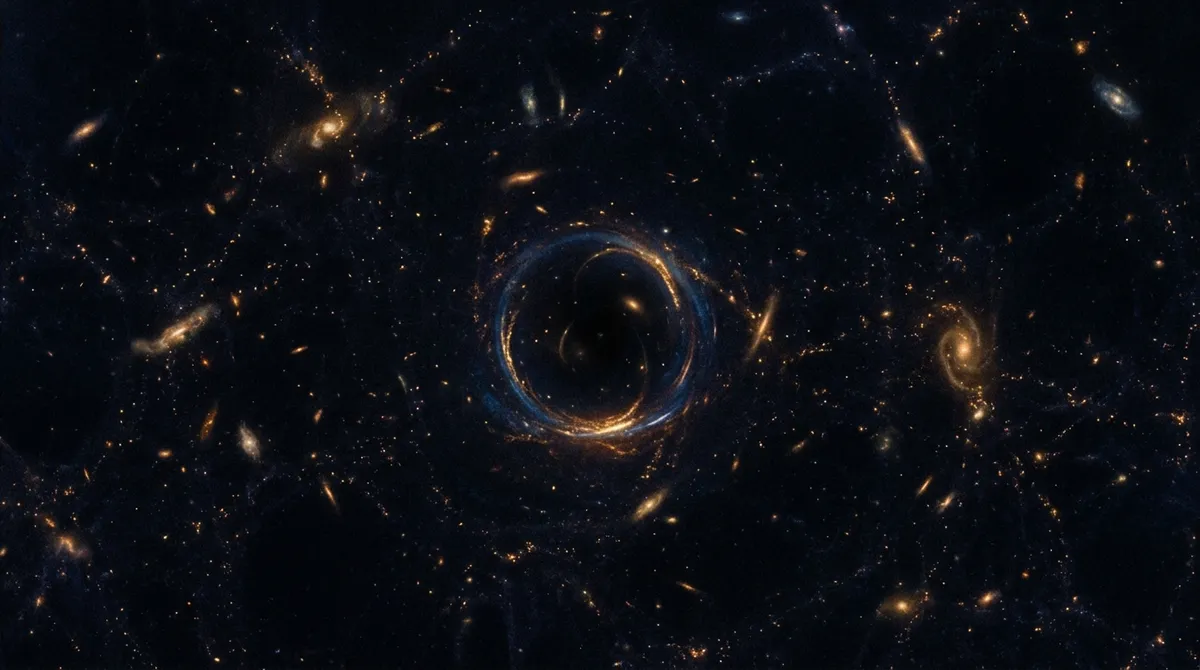
The James Webb Space Telescope has uncovered a mysterious cosmic object with a unique signature that may be a primordial black hole, potentially offering new insights into galaxy formation, dark matter, and the early universe.