Next time you stand on a beach or look out over a tidal flat, ask where that strip of shoreline would go if the water rose a few feet. For migratory shorebirds, that isn't hypothetical. By the end of this article, you'll understand "coastal squeeze," why it hits shorebirds especially hard, and what kinds of shoreline decisions give them (and nearby people) a better chance.
What the new review found
Per a report from Phys, a review of 37 studies points to widespread risks to shorebirds from climate-driven sea-level rise. The studies cover threats to the habitats these birds depend on, to their survival, and to the key stopover sites along their migration routes, often called bottlenecks.
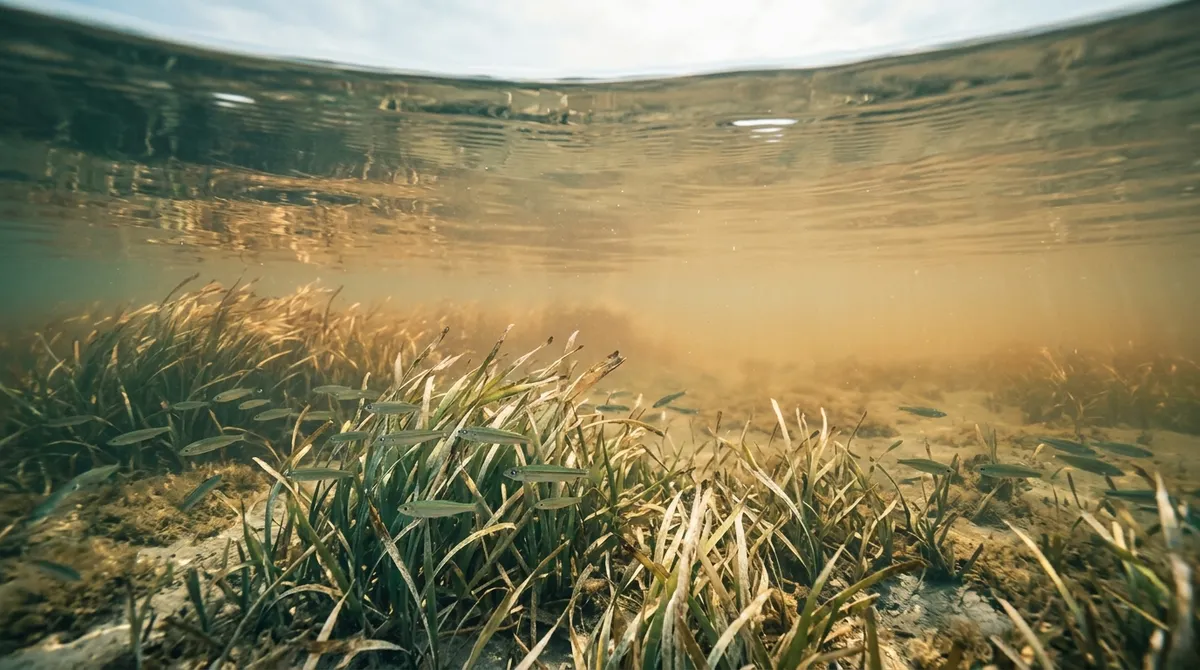
The habitats in question are familiar: beaches, salt marshes, and tidal flats. Rising seas are shrinking and degrading them, and many shorebird populations were already declining before this pressure intensified.
Coastal squeeze, explained simply
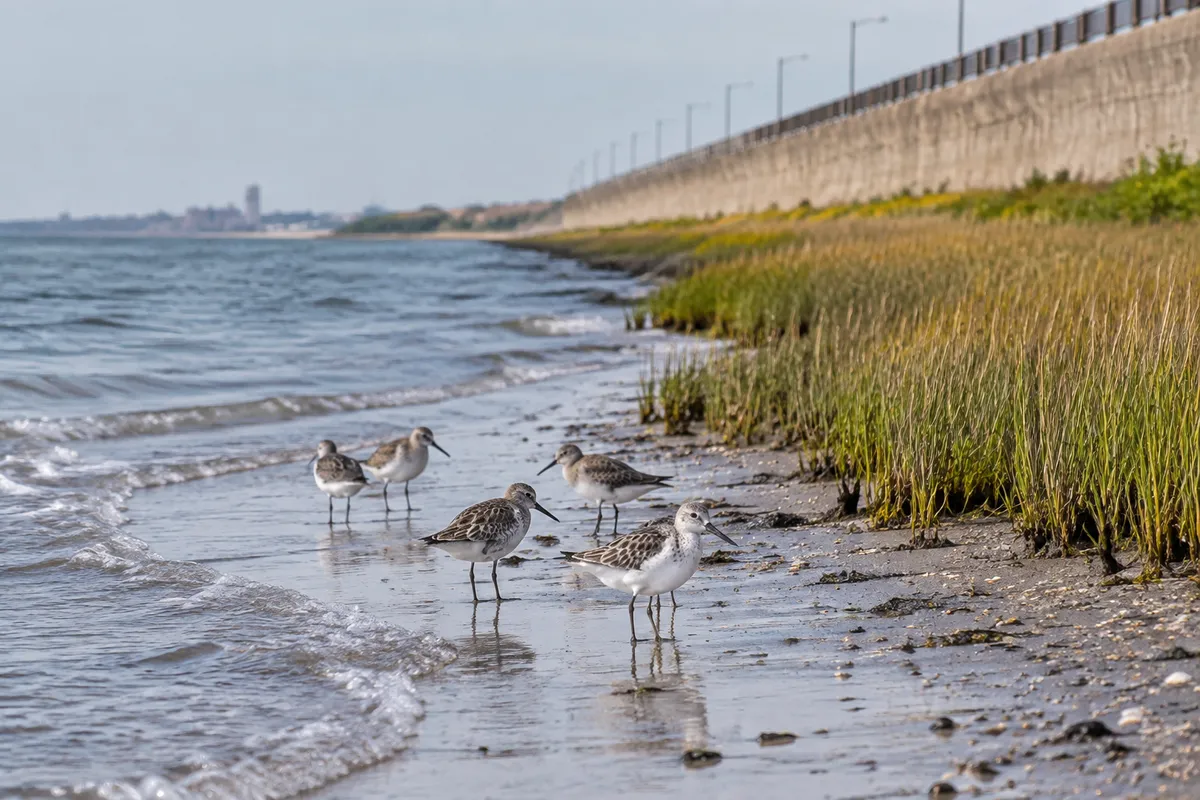
Picture a beach with the ocean on one side and a seawall, road, or row of buildings on the other. Normally, as seas rise, a beach or marsh can slowly shift inland, rebuilding itself higher up the slope. Put infrastructure in the way and that retreat is blocked.
The water advances, the buildings stay put, and the habitat in between gets pinched out of existence. That's coastal squeeze: ecosystems trapped between rising water and human development.
According to the Phys report, coastal development and rising seas are converging in exactly this way, just as shorebird numbers are already under strain.
Why shorebirds feel it so sharply
Migratory shorebirds don't live in one place. They travel long routes and rely on a chain of coastal habitats to rest and feed along the way. The review highlights migration bottleneck sites, places where a large share of birds concentrate during their journey.
That concentration is what makes losses risky. If a key stopover degrades, the effect isn't local. It can ripple along the whole route, affecting birds that breed and winter thousands of miles away. Think of it like a major airport closing: the damage spreads well beyond that one city.
Seawalls versus nature-based protection
Hard barriers like seawalls protect property but can worsen the squeeze by fixing the shoreline in place. Nature-based approaches work differently: they let beaches, marshes, and flats persist and adapt.
The case for the second approach is that these habitats do more than host birds. As the Phys report notes, they also defend human communities, store carbon, and support wider biodiversity. A healthy marsh can serve as a buffer for the people living behind it while remaining a working habitat for wildlife.
That's the practical idea behind smarter shoreline planning: leave room for coastal ecosystems to move, rather than boxing them in.
What you can do
You can't redraw a coastline yourself, but local choices add up:
- Pay attention to local planning. Shoreline development, setback rules, and coastal protection projects are often decided at the town or county level. Public comment periods are a real opening.
- Ask what a project does to habitat. When a seawall or new development is proposed, ask whether space is left for beaches and marshes to shift inland.
- Support nature-based options. Restoring marshes and keeping beaches natural is increasingly part of the conversation about protecting communities.
- Learn your local shorebirds. Knowing which species use your coast, and when, makes it easier to notice change and speak up for the places they need.
The takeaway
Sea-level rise isn't only a distant ice-cap story. It's playing out on the beach near you, where birds that travel across continents need a few feet of shoreline to land on. Support planning that leaves room for the coast to move, and you help the birds and the people behind them at once.