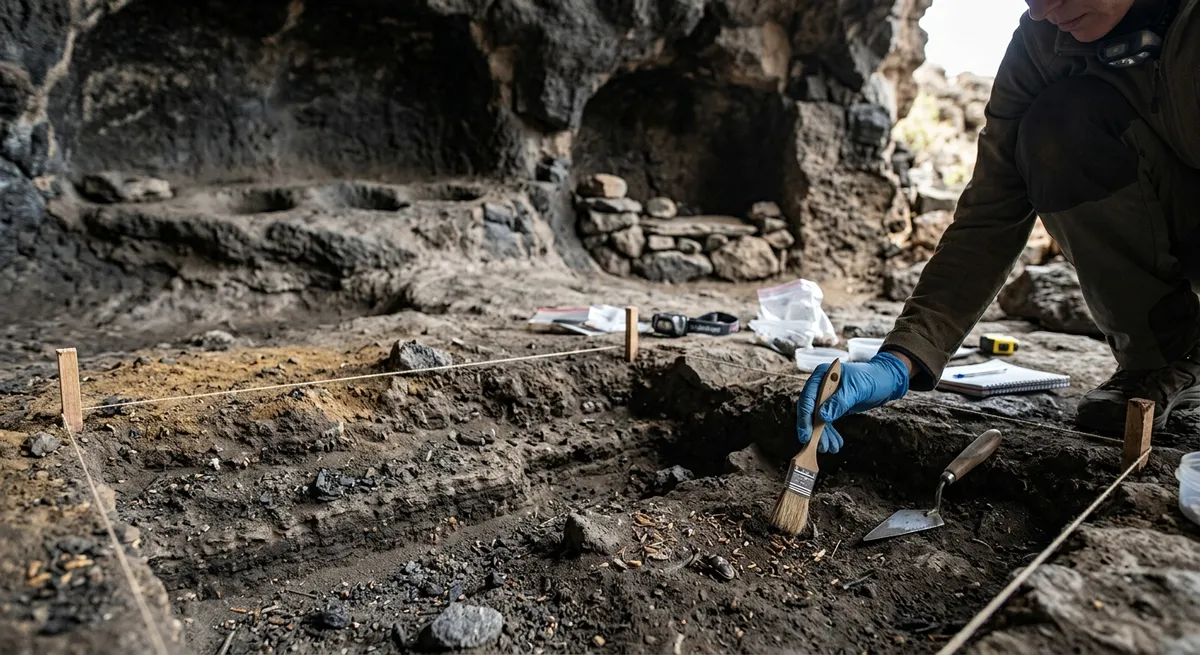
In a fascinating blend of entomology and archaeology, researchers have uncovered how insect remains have rewritten our understanding of burial practices among the Indigenous people of the Canary Islands. By analyzing over 8,000 insect specimens from the Cruz de la Esquina cave in Gran Canaria, scientists have revealed that this site was not only a burial region but also functioned as a grain storage facility before its transformation into a sacred burial ground.
A Unique Archaeological Discovery
The groundbreaking research takes us back to the 7th to 9th centuries AD, a time rich in the cultural practices of the Indigenous people of Gran Canaria. The cave's transition from a granary to a burial site provides a compelling narrative of adaptation and change within the community. Insects often overlooked in archaeological studies hold vital clues, allowing us to connect the dots and paint a bigger picture of daily life and death rituals in ancient times.
Decoding the Insect Evidence
The presence of insect remains is vital in shaping our understanding of burial customs. Notably, the analysis suggests that the bodies of the deceased were deposited shortly after death, challenging previous assumptions about pre-burial decomposition practices that might have involved longer delays. This insight challenges earlier models of how Indigenous cultures approached death and demonstrates the significance of time between death and burial.
Why This Matters
This study is significant not only for its immediate findings but also for what it represents in the broader context of Indigenous history in the Canary Islands. Following the Spanish conquest, much of this rich history suffered disruption and erasure. Findings like these serve as crucial pieces of the historical puzzle, showcasing the resilience and adaptability of Indigenous culture throughout time. Moreover, it emphasizes the importance of archaeoentomology as a science—using ancient insects as tools to uncover layers of historical narratives that have long remained silent.
The Role of Insects in Archaeology
Archaeoentomology, the study of insect remains in archaeological contexts, is gaining recognition for its ability to elucidate past human behaviors. By incorporating these tiny specimens into archaeological analysis, researchers can draw conclusions about diet, environment, and even social customs. The analysis of these 8,000 preserved remains from the Cruz de la Esquina cave is a prime example of how a closer look at the tiniest details can lead to significant revelations about historical practices.
Social and Cultural Insights
The findings underscore a deeper understanding of how death rituals were intertwined with community practices. From the granary phase to the sacred burial site, the cave reveals a timeline of cultural evolution. This research invites us to rethink how we view Indigenous societies—not just surviving but thriving, preserving their customs through meticulous practices in their treatment of the dead.
As we unwrap these layers of history, we gain a greater appreciation for the complexities of Indigenous life before the Spanish conquest. Insects, often seen as nuisances, serve as powerful reminders of the connections between life, death, and cultural identity.
Conclusion
The analysis of insect remains at the Cruz de la Esquina cave highlights the indispensable value of interdisciplinary research—combining archaeology with entomology provides insights that challenge existing models and offer fresh perspectives on ancient practices. Our understanding of Indigenous burial customs in the Canary Islands will never be the same; thanks to these tiny clues, we can now appreciate the profound connection between daily life and the rituals of death they cultivated.