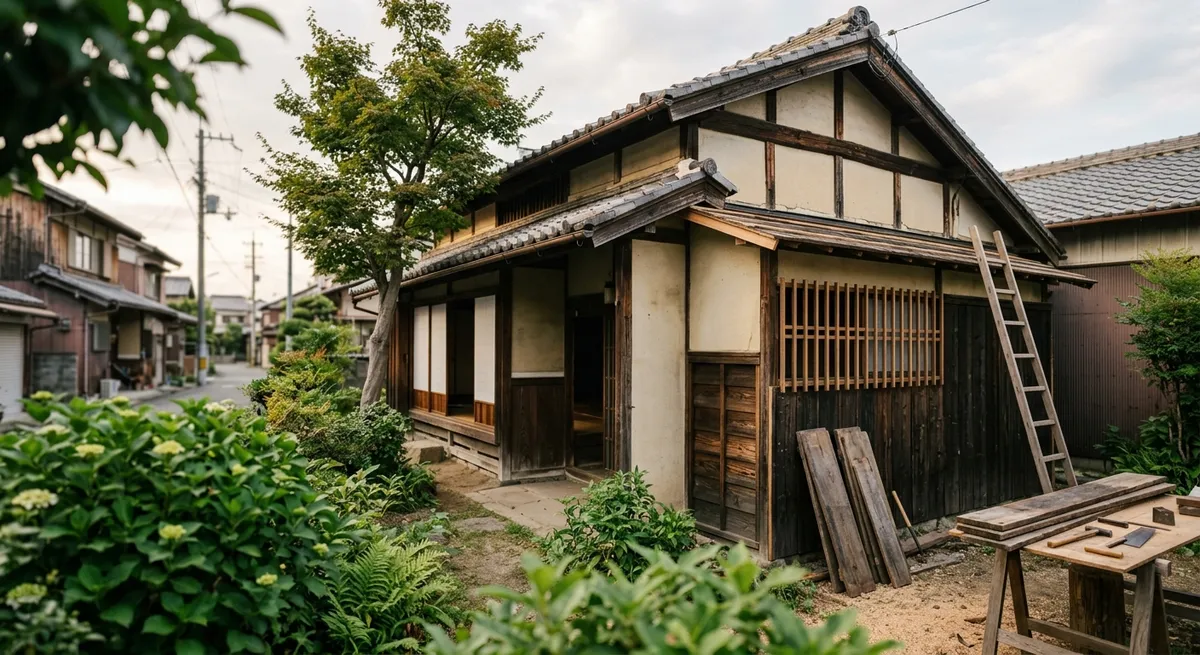
In a world increasingly defined by environmental constraints and demographic shifts, Asia's architectural landscape is facing a crucial turning point. Japan, which saw its population peak around 2008, now grapples with over 9 million vacant homes. Despite this staggering number, construction activities persist in various forms across the region. This juxtaposition highlights a disconnect between conventional growth-driven development and the pressing realities of resource scarcity, climate change, and aging communities. Enter the concept of "post-growth architecture" — a movement that embraces reuse, repair, community labor, and innovative design to create sustainable urban spaces.
The Rise of Post-Growth Architecture
Post-growth architecture signifies a paradigm shift from constructing new buildings to revitalizing existing structures in a way that meets contemporary needs while minimizing waste. This transformative approach is particularly essential in regions like Japan, China, Taiwan, and Korea, where demographic decline necessitates more thoughtful use of space and resources.
Embracing Existing Structures
One of the fundamental tenets of post-growth architecture is the idea of adaptive reuse, which involves repurposing old buildings rather than demolishing them. This practice not only preserves historical character but also contributes to sustainability efforts by reducing landfill waste. For example, vacant homes in Japan present ripe opportunities for renovation, transforming them into community hubs or affordable housing that reflects local needs. This encourages a sense of belonging among residents and champions a sustainable, low-waste way of living.
The Beauty of Loose-Fit Design
Loose-fit architecture is another essential concept tied to the post-growth movement. This design philosophy emphasizes flexibility, allowing spaces to be easily adapted to meet evolving community needs. Instead of rigid structures designed for specific uses, loose-fit buildings can accommodate a variety of functions over time. This adaptability is crucial as East Asia navigates the complexities of aging populations and shrinking communities. Architects are now focusing on creating spaces that are not only functional but also can evolve with their inhabitants — reducing the need for constant new construction and promoting long-term sustainability.
Building Communities, One Step at a Time
The shift toward post-growth architecture isn't happening in isolation. It's fueled by grassroots initiatives encouraging community involvement in construction and renovation efforts. Empowering local workers to lead these projects builds not only physical structures but also social connections within neighborhoods. This collaborative spirit reduces reliance on large contractors and promotes a sense of ownership among residents.
Learning from Discarded Materials
An exciting aspect of this architectural approach is its embrace of discarded materials. Rather than sourcing new timber, steel, or concrete, post-growth architecture often incorporates salvaged materials, telling a story of resilience and ingenuity. This practice showcases the beauty of imperfection and demonstrates that sustainability can emerge through creativity and resourcefulness.
A Future of Adaptive Spaces
As climate pressures and housing instability intensify globally, the demand for more adaptive, local, and low-waste architectural solutions becomes increasingly urgent. By recognizing the limitations imposed by our planet and our population dynamics, cities can redefine their futures. The post-growth architecture movement presents not only a way to address pressing issues of vacancy and resource scarcity but also an opportunity for communities to thrive through innovation and collaboration.
Take Action: Embrace Adaptive Reuse
Consider the spaces around you — communities rich with untapped potential. Advocating for post-growth architecture, whether through supporting adaptive reuse projects or participating in community-driven initiatives, contributes to a more sustainable urban environment. Let's move toward a future where architecture harmonizes with our limitations and celebrates the beauty of what already exists.