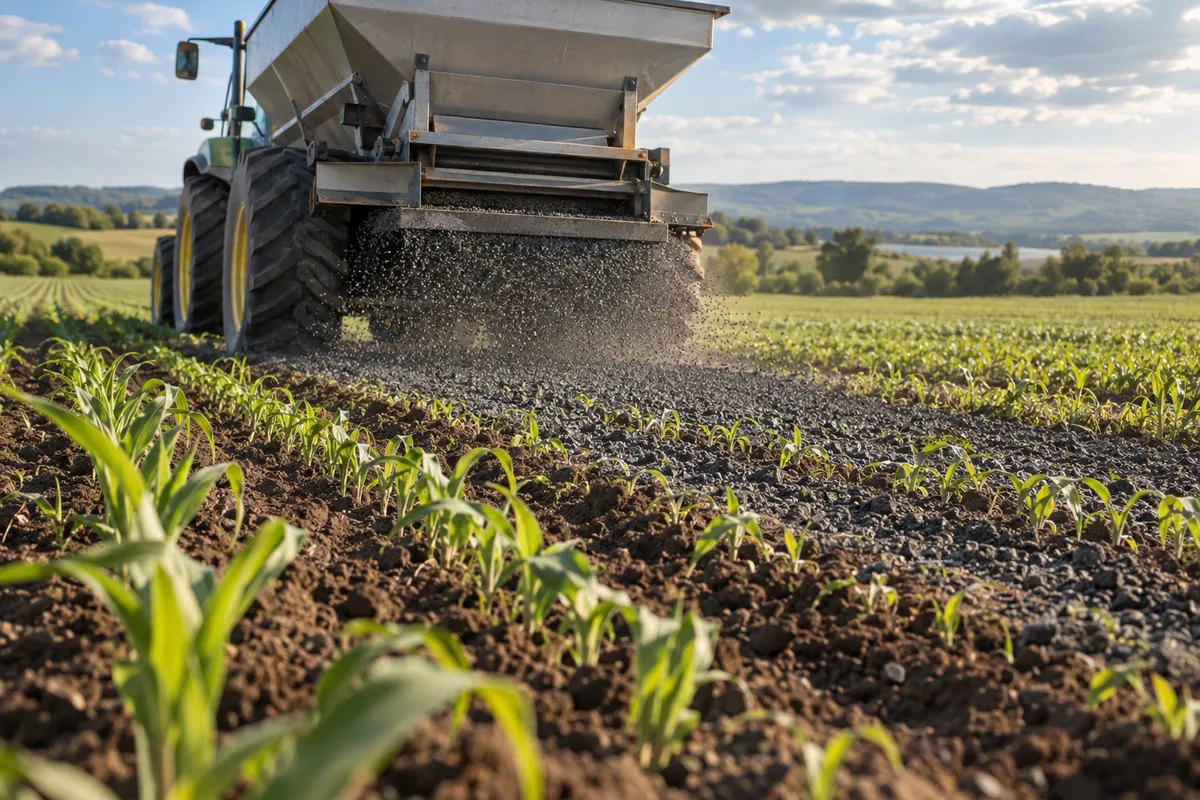
How Crushed Rock on Farmland Could Pull CO₂ From the Air
Enhanced rock weathering spreads crushed basalt on farms to speed up natural carbon capture. Here's how it works, what it promises, and what's still unproven.

Enhanced rock weathering spreads crushed basalt on farms to speed up natural carbon capture. Here's how it works, what it promises, and what's still unproven.
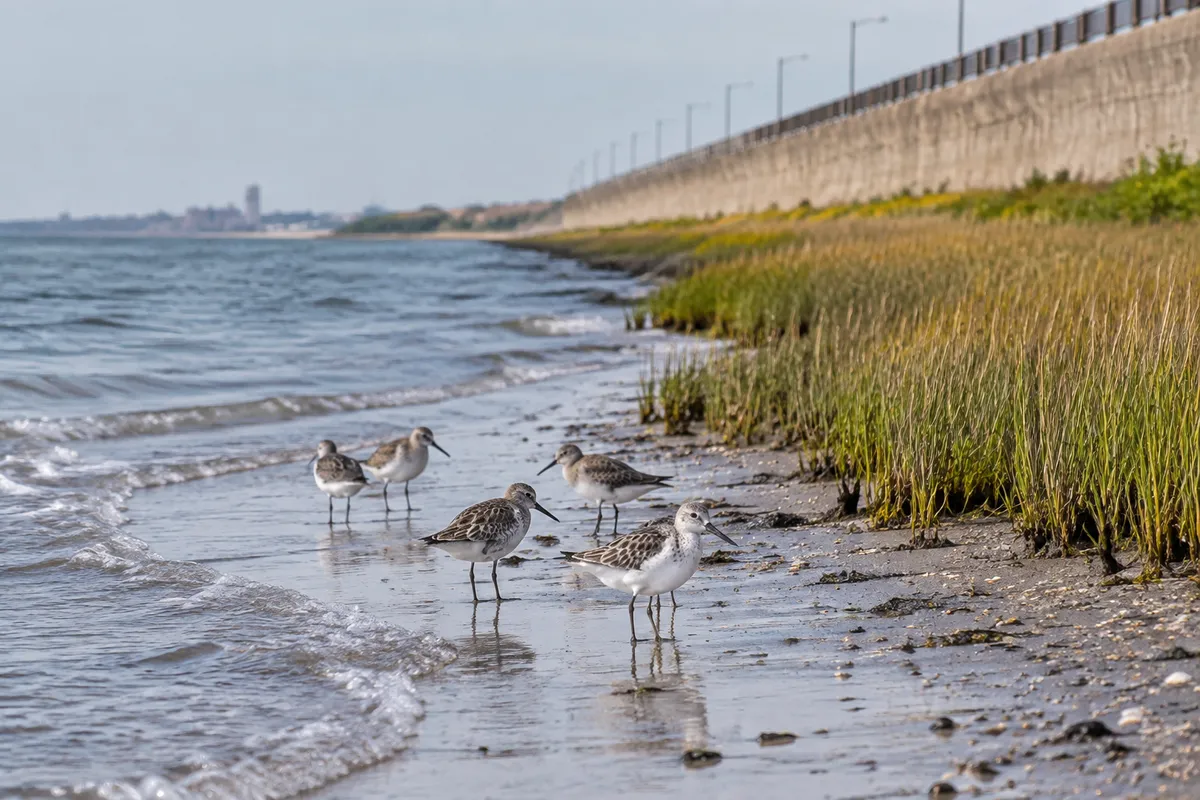
Rising seas are shrinking the beaches, marshes and tidal flats shorebirds rely on. Here's what coastal squeeze means and how smarter shorelines can help.
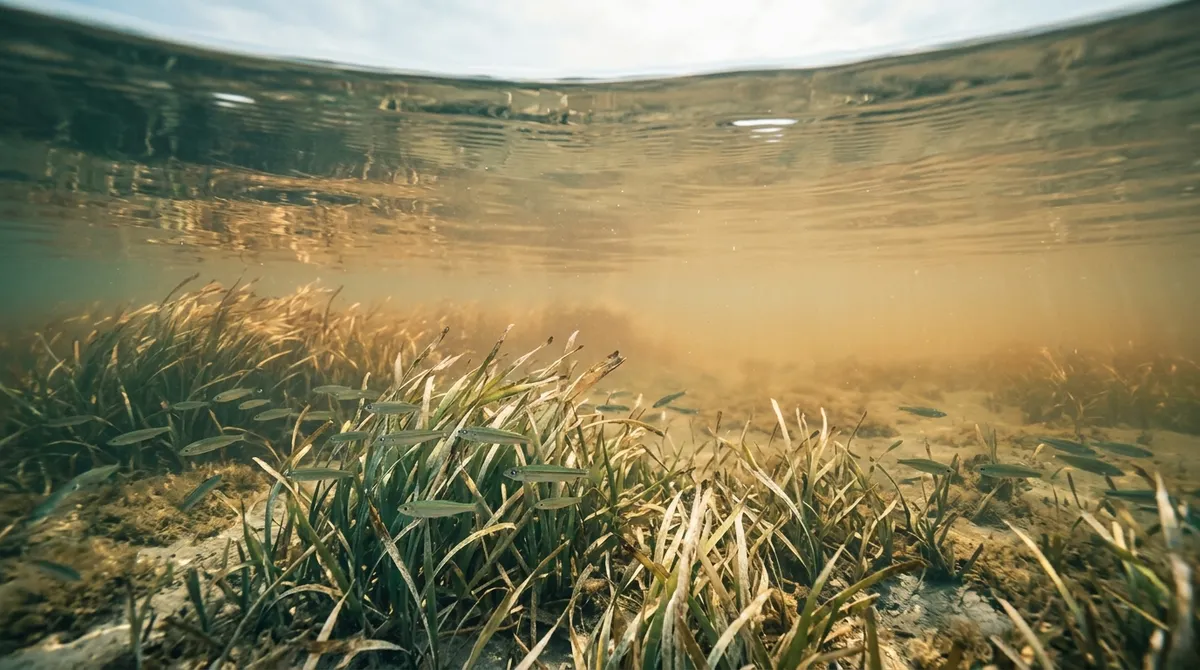
New research reveals marine heat waves pose greater risks to ocean life than previously understood. Learn how longer exposure times impact ecosystems.
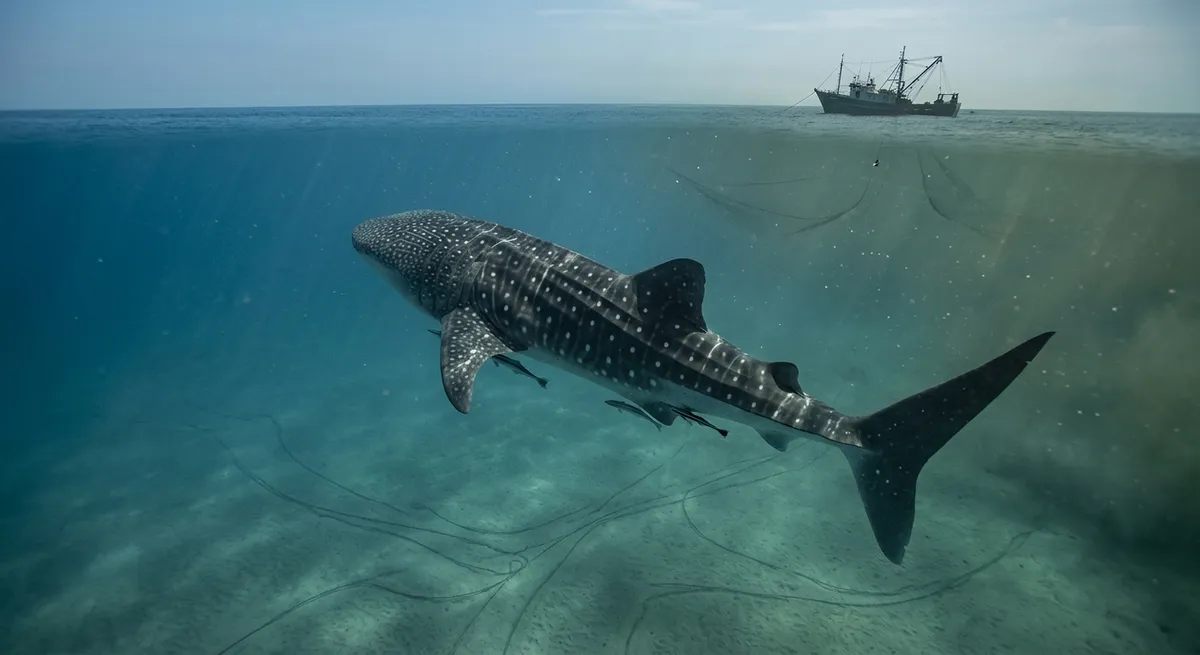
Learn how international cooperation is vital for shark conservation as new research highlights their cross-border migration paths.
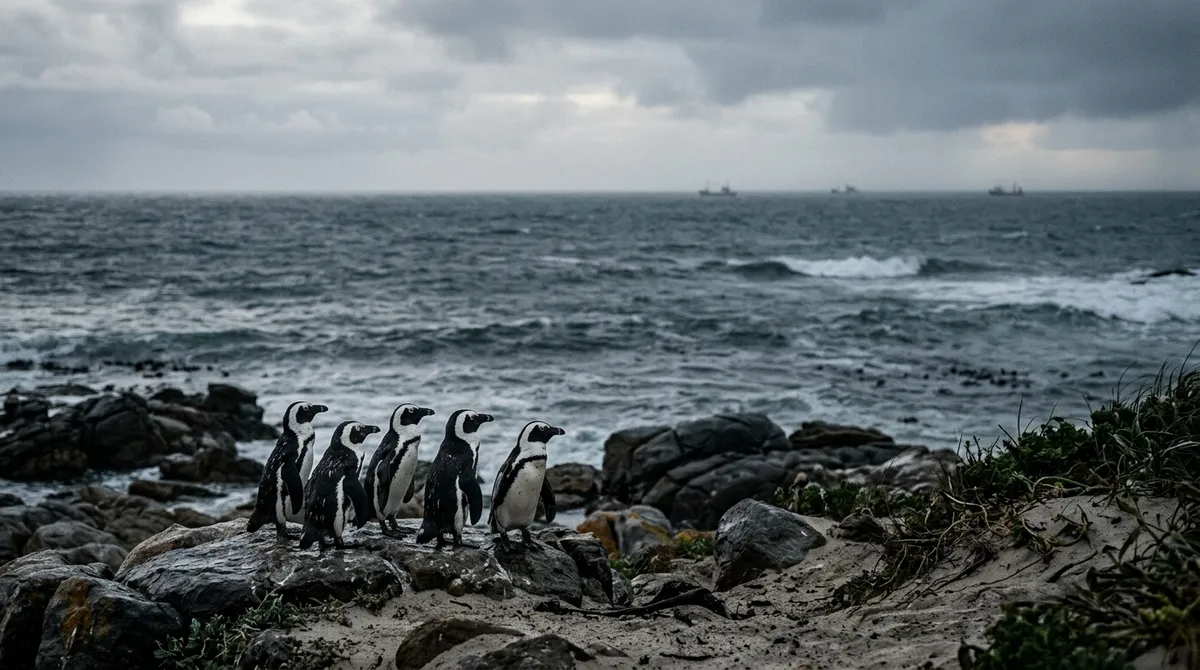
Penguin populations in South Africa are declining due to starvation, primarily caused by shifts in prey availability and climate change. Conservation efforts focus on habitat protection and sustainable fishing, but challenges remain due to complex marine ecosystems and global climate issues.
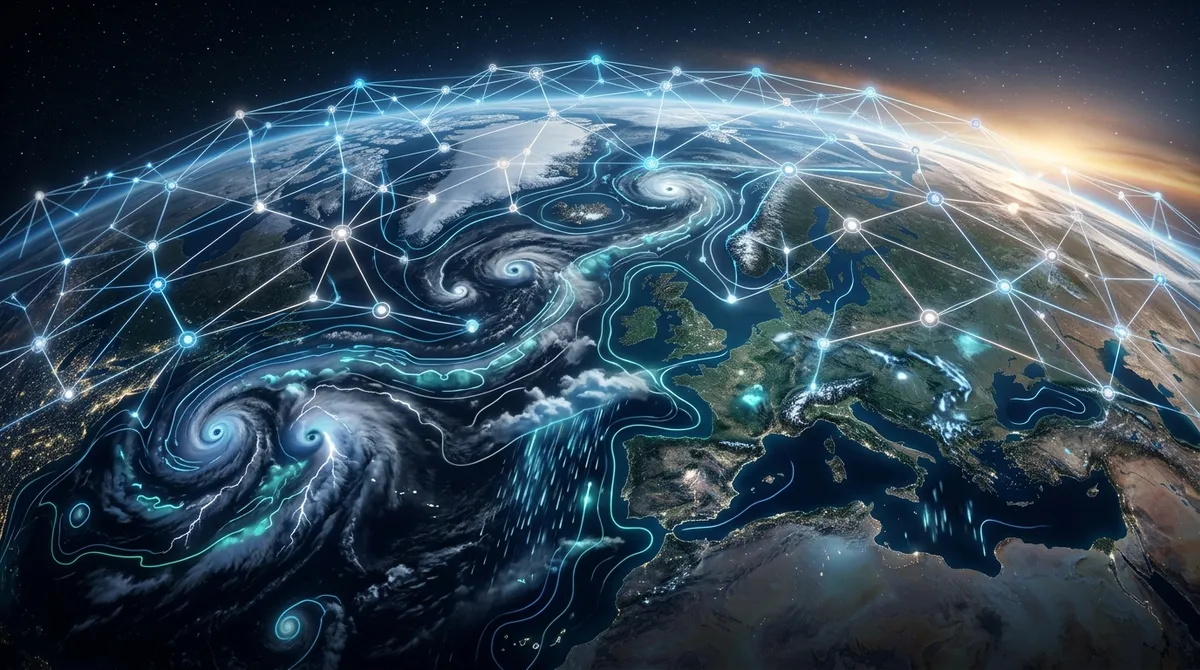
A groundbreaking AI tool is enhancing weather forecast accuracy, outperforming traditional methods. By leveraging deep learning and vast datasets, it predicts weather events more precisely, offering timely warnings for extreme conditions and benefiting sectors like agriculture and aviation.
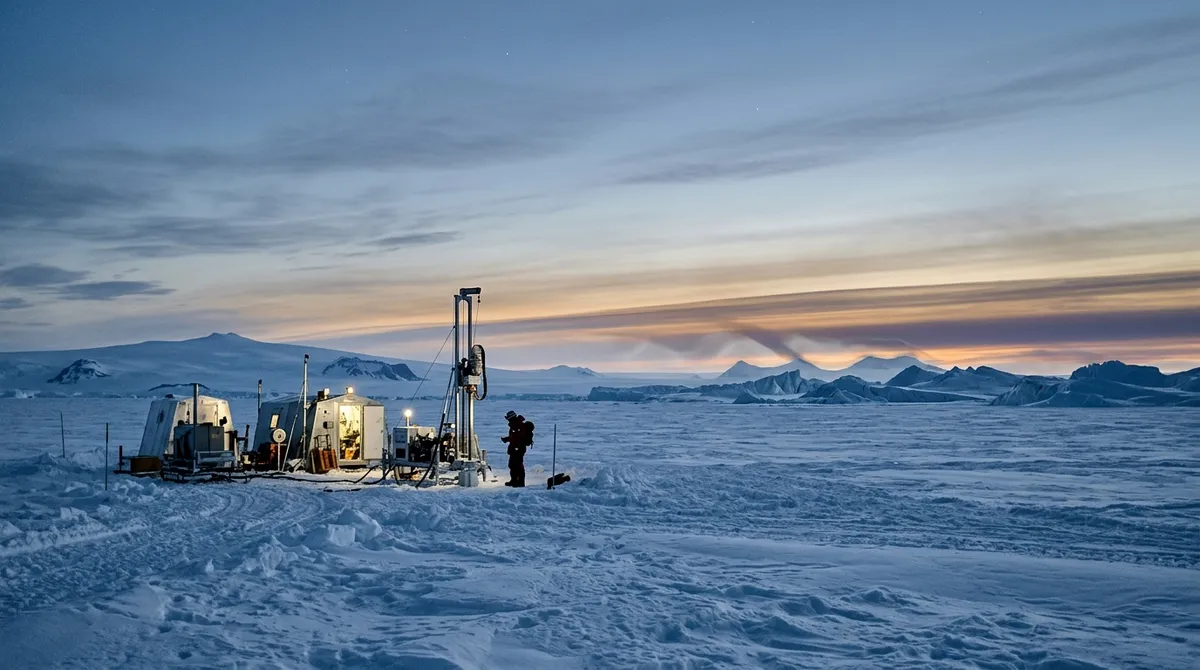
New research reveals that Antarctica's regional temperature changes are governed by the nonlinear greenhouse effect rather than traditional climate models...

Explore how post-growth architecture is reshaping Asia's cities by reusing existing resources and adapting to demographic changes and resource limits.
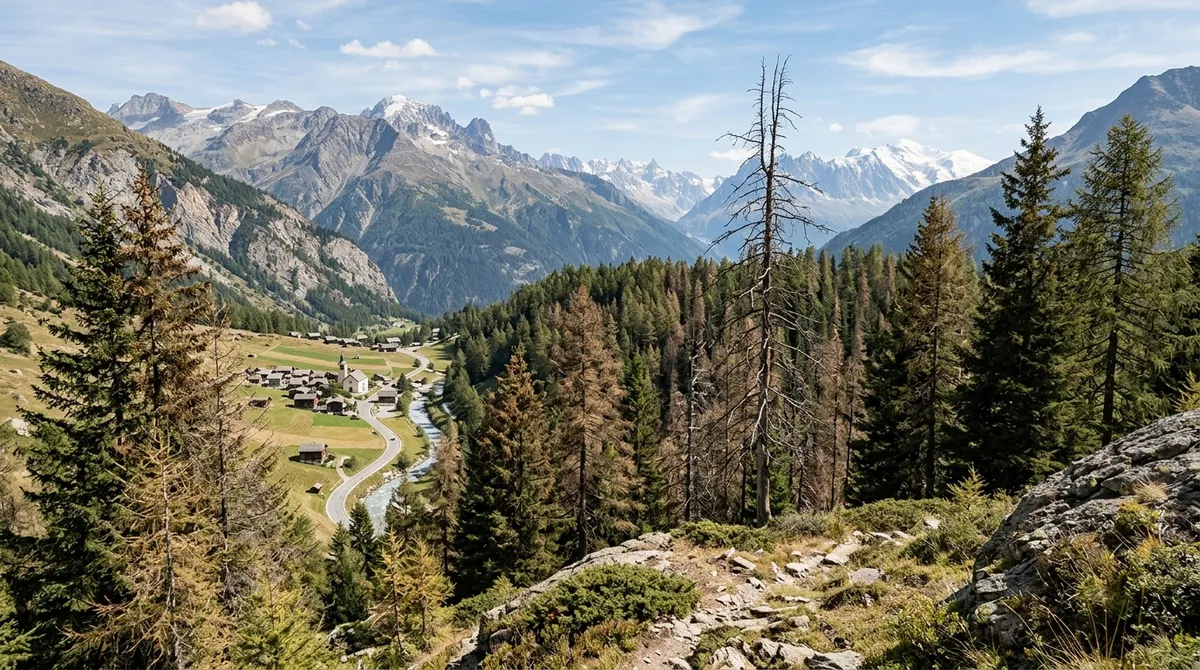
Swiss high-altitude forests are now stressed by drought, threatening the safety of valleys below. Discover the implications for mountain communities and...
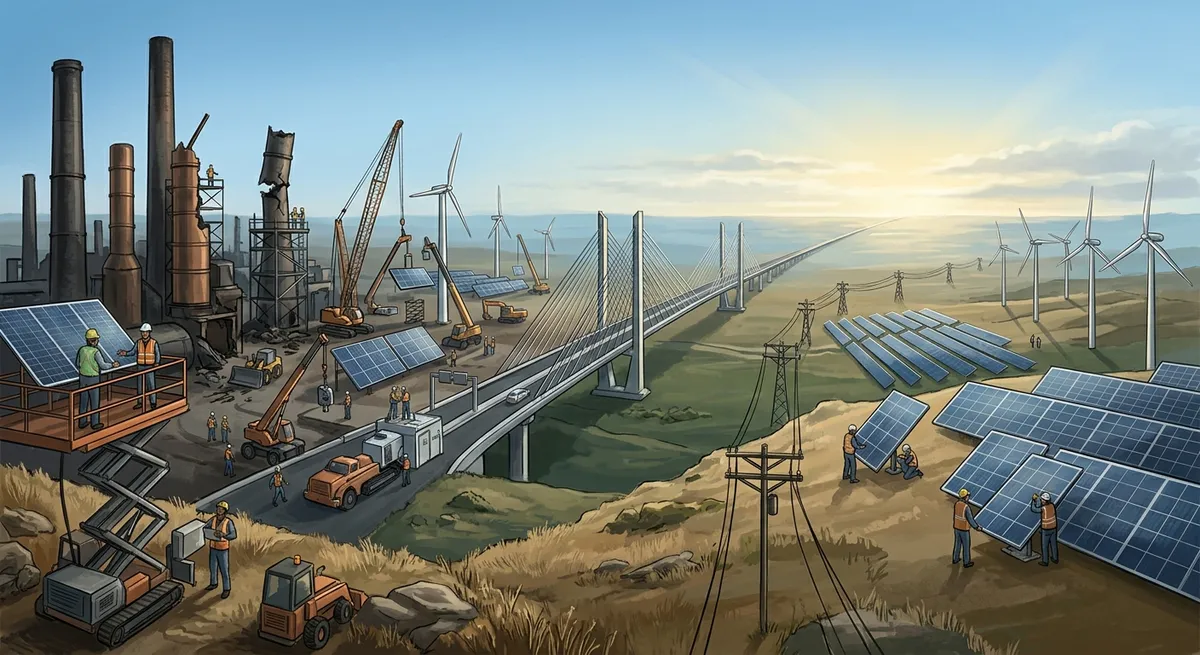
Discover how integrating fairness into climate pledges can reshape emissions targets and enhance global climate initiatives.
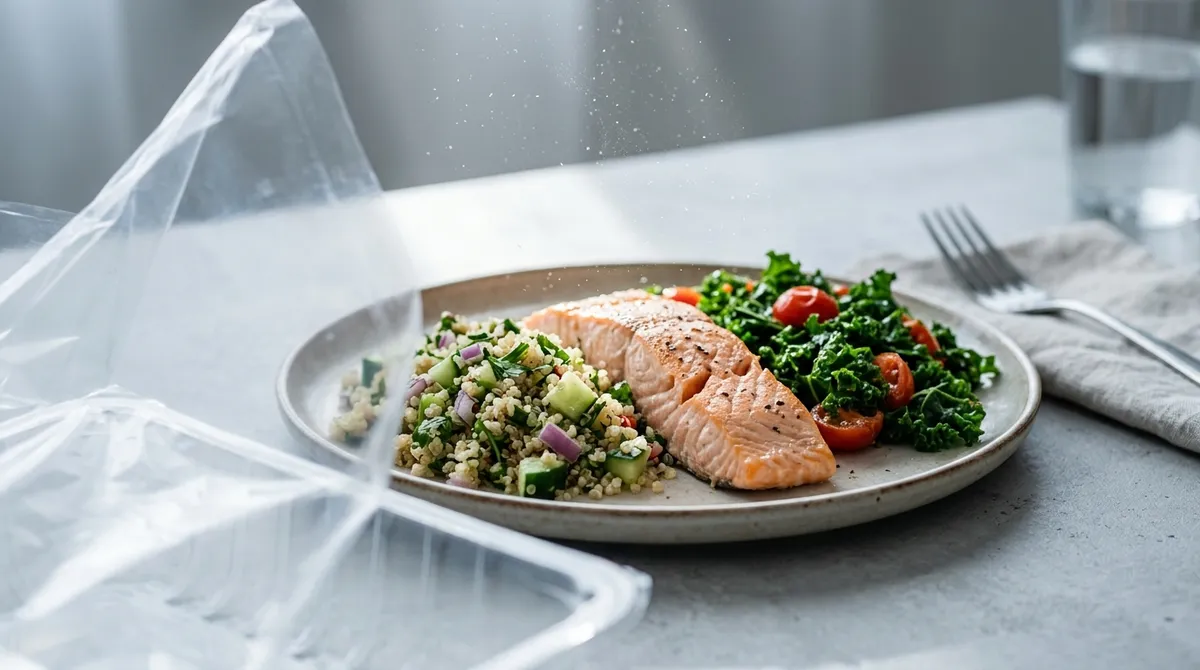
Recent studies reveal that everyday food packaging releases microplastics into meals, posing environmental and health risks. These tiny particles, often invisible, can enter our bodies through food, potentially causing inflammation and disrupting hormones.
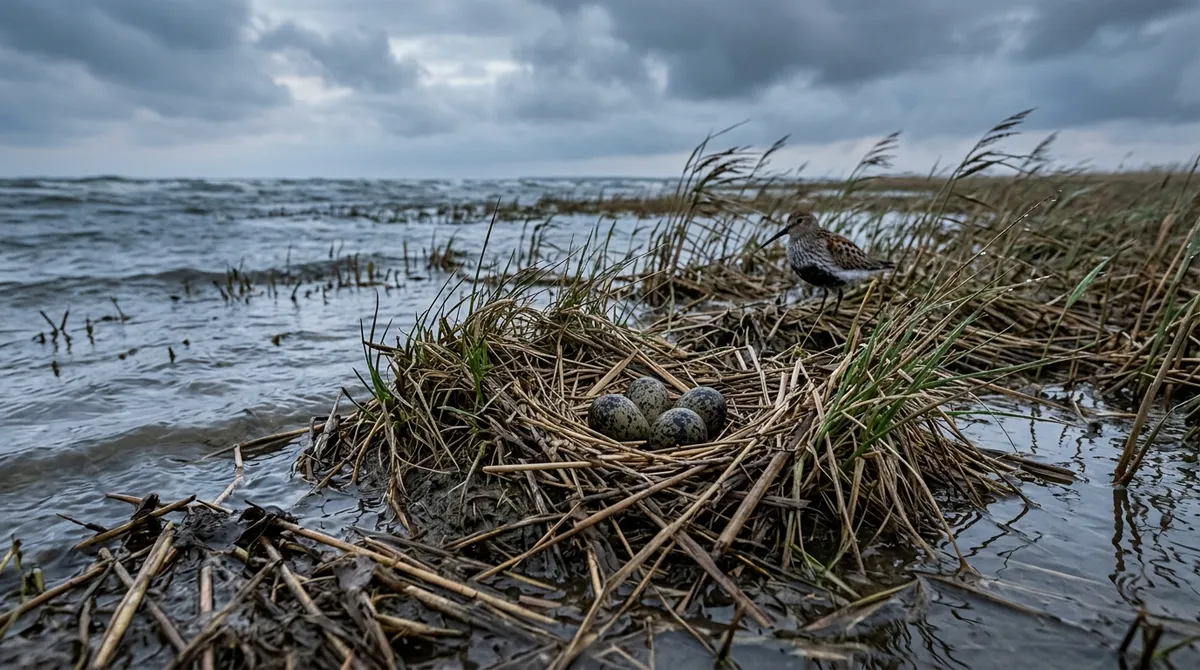
Finnish researchers identify tipping point where storm floods devastate wader bird nests, testing artificial incubation as emergency conservation measure.